
Last updated August 26, 2026
Free on-site gate assessment - hinges, posts, and your LiftMaster or Nice gate operator checked before anything is quoted
The assessment is free and the quote is the invoice.
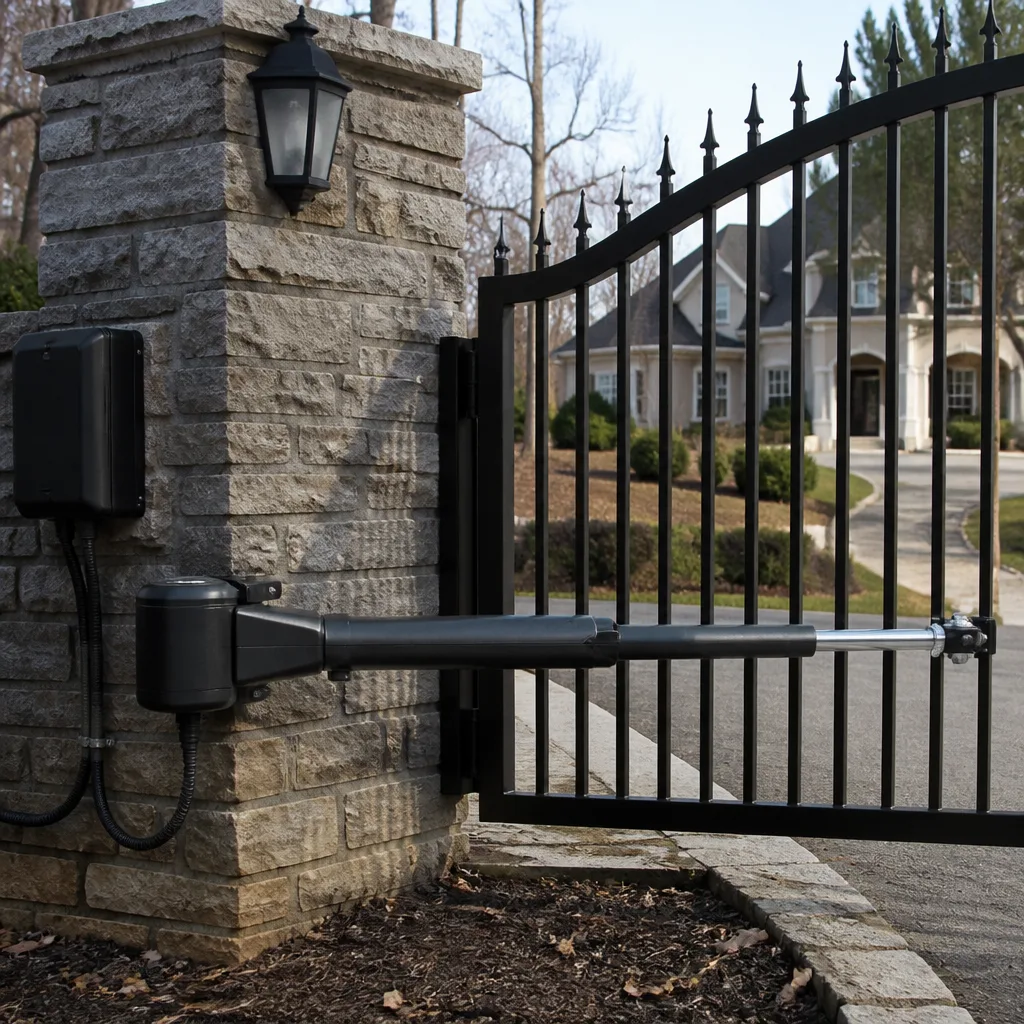
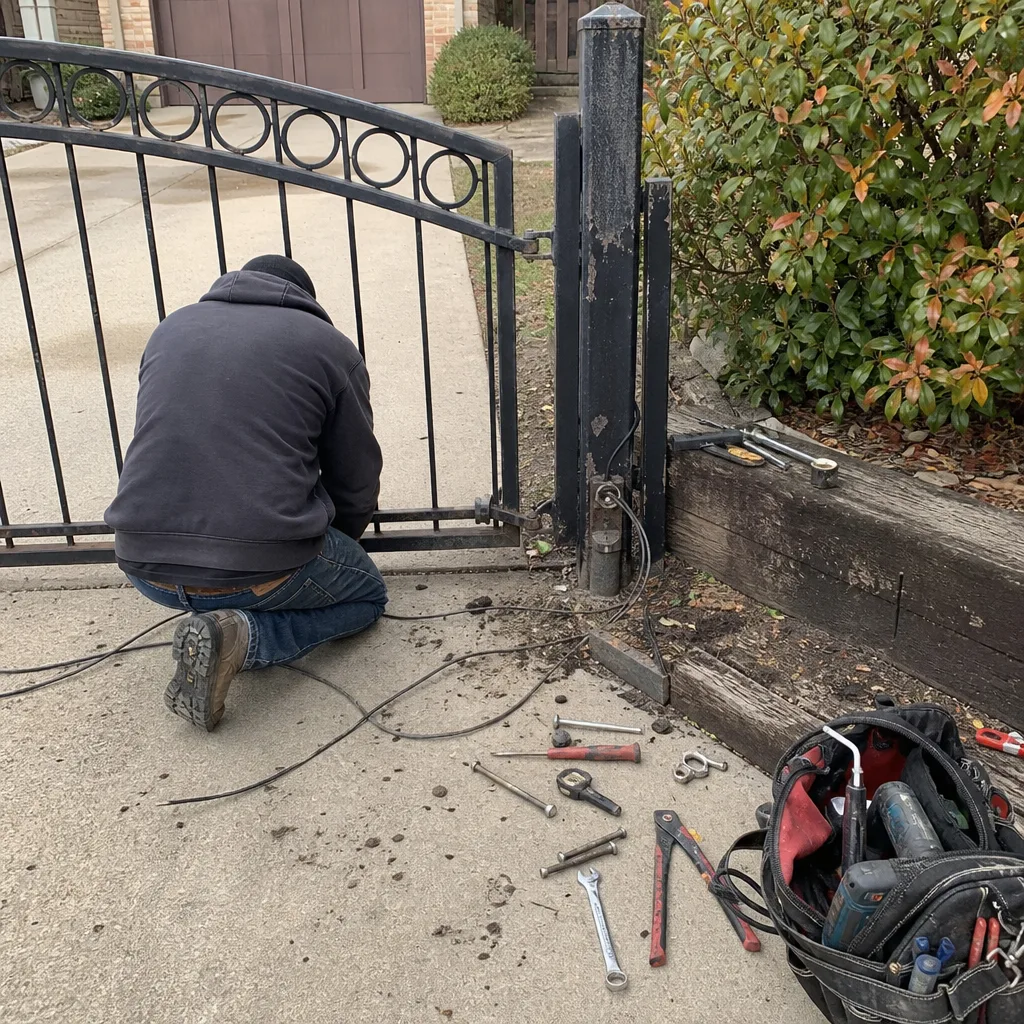 Before
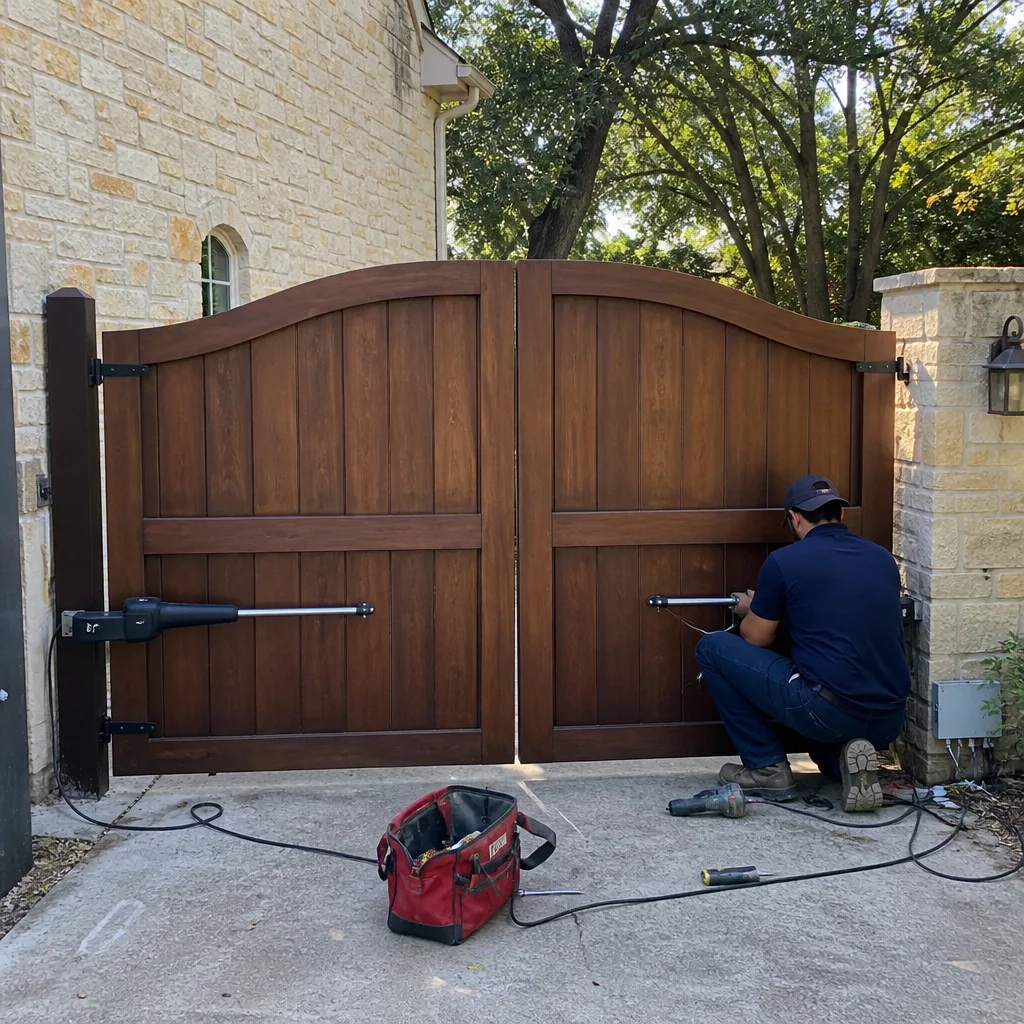 After
After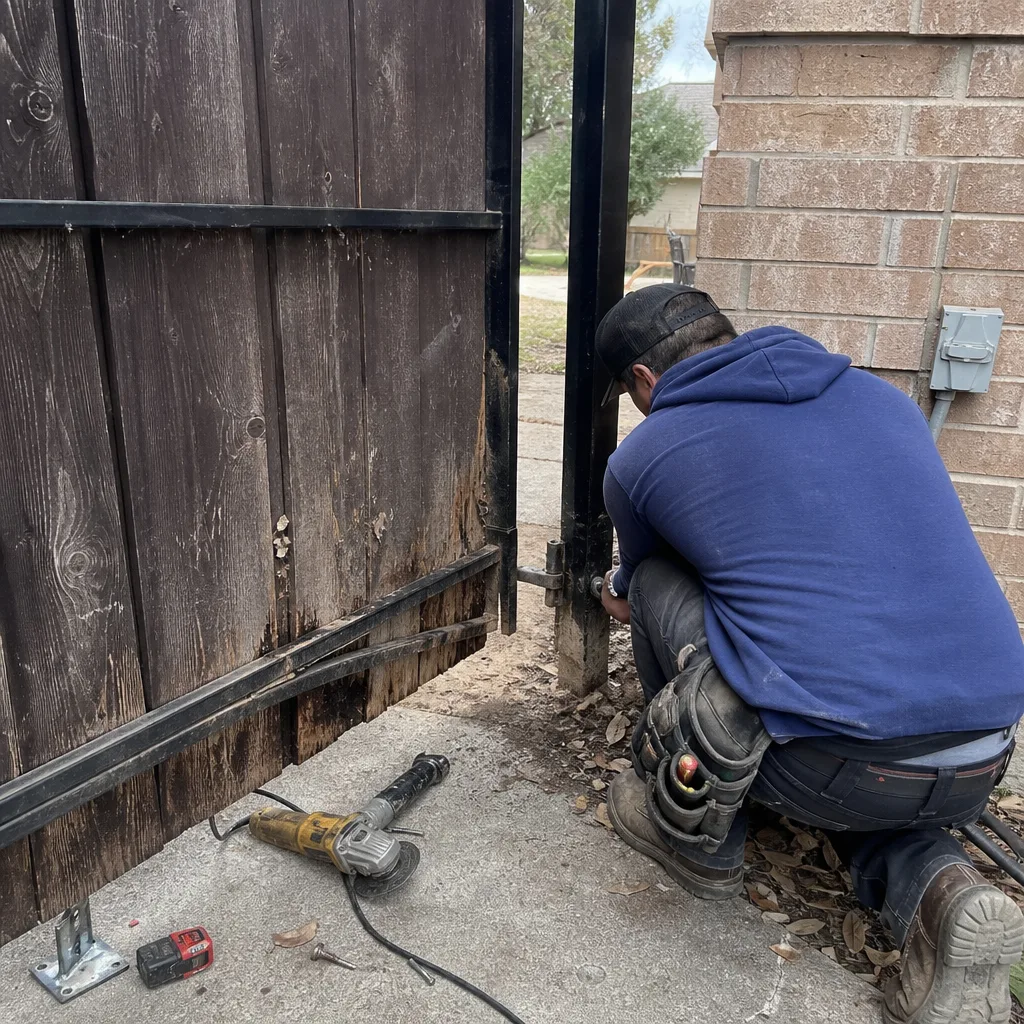 Before
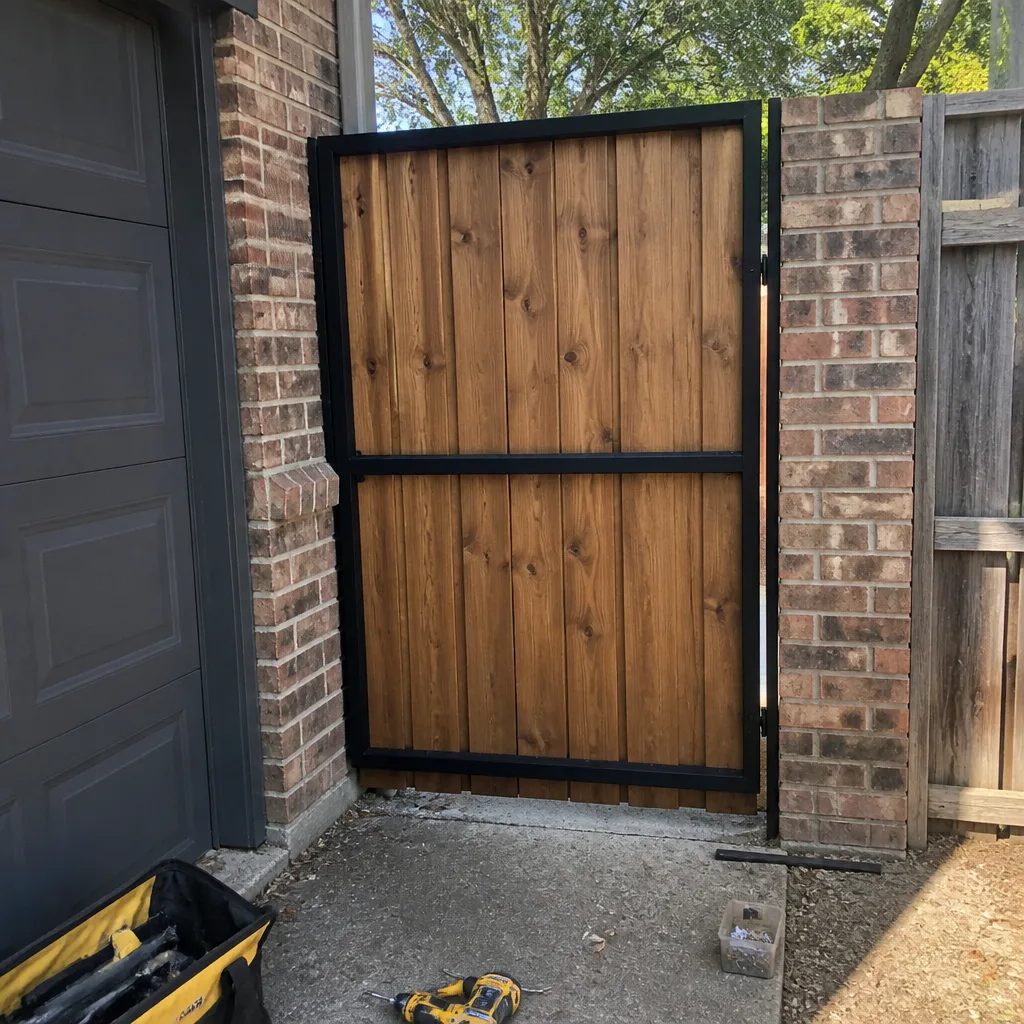 After
After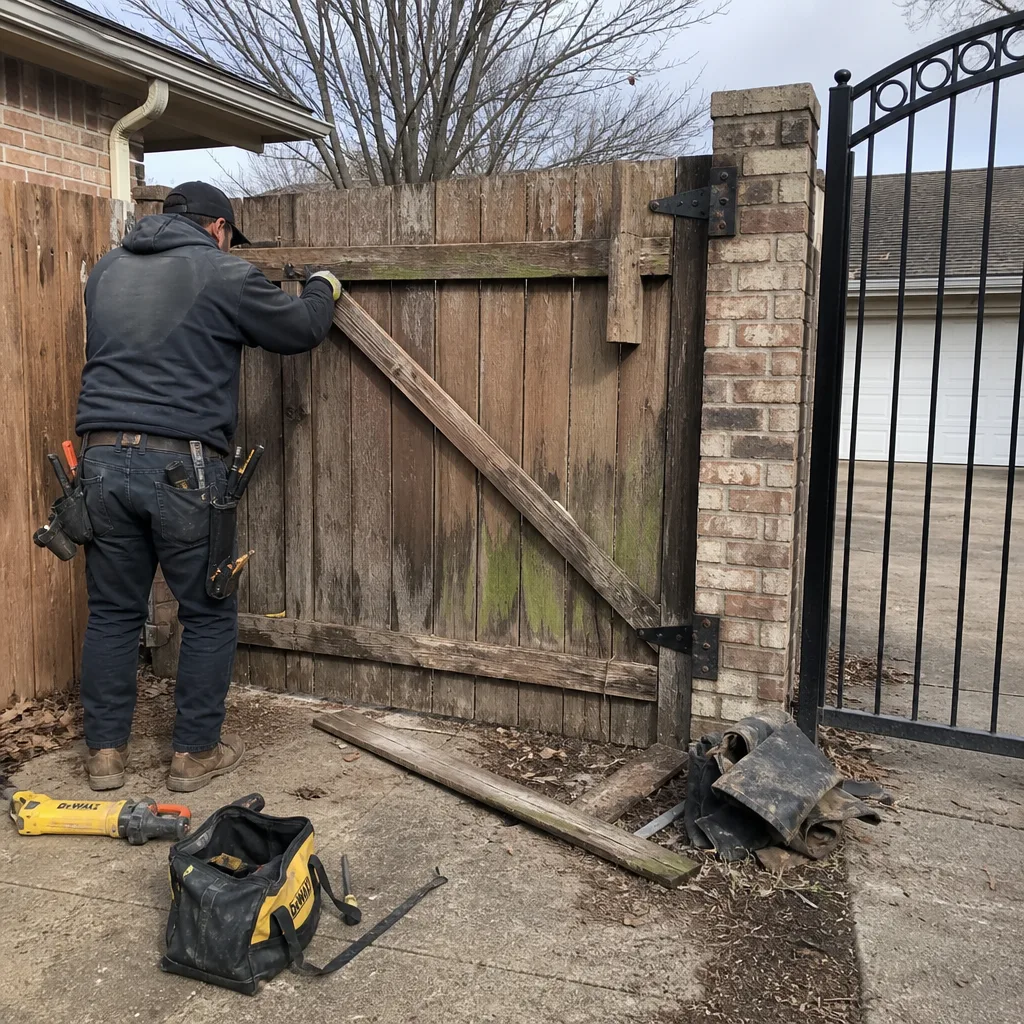 Before
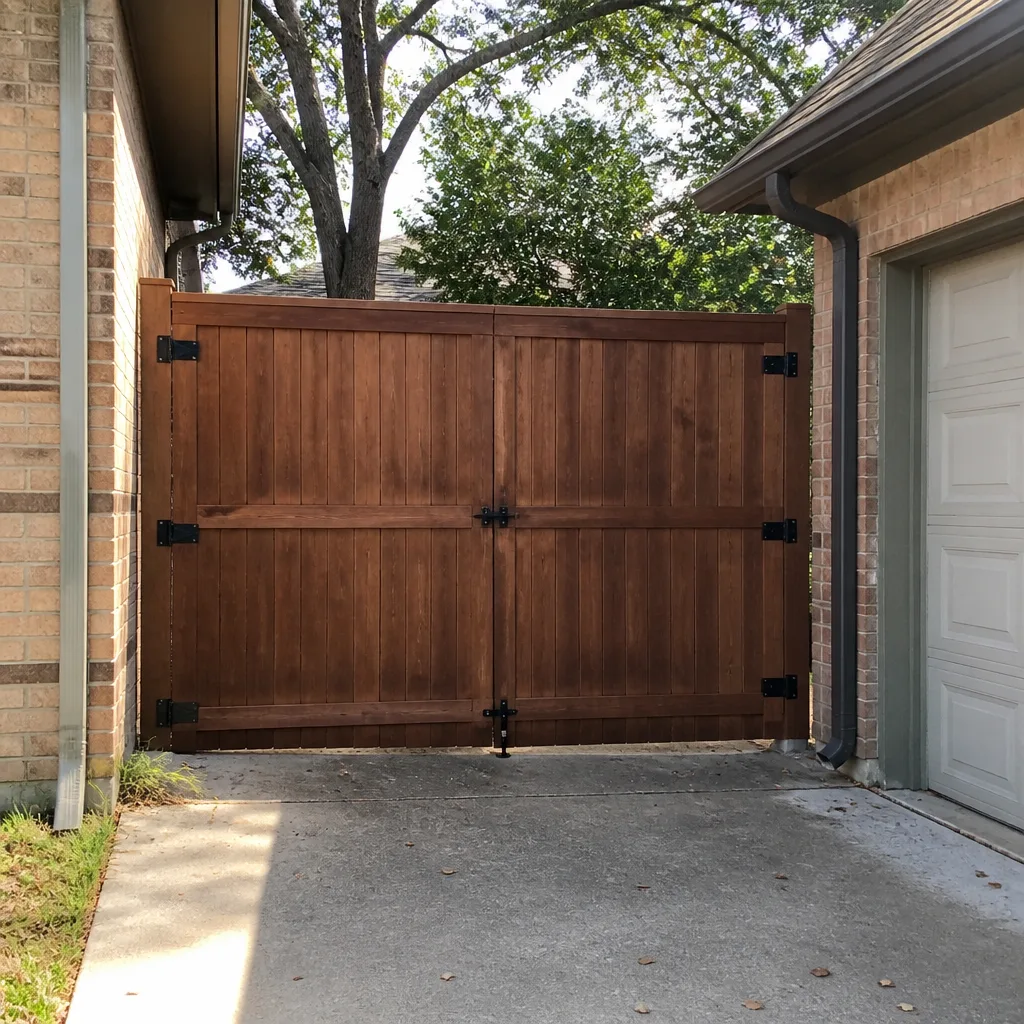 After
AfterSeasonal Gate Repair Care for Coppell: Year-Round Homeowner’s Guide
August in Coppell is when gate operators fail most often, and it’s almost never the motor. It’s the capacitor that’s been slowly cooking in a black steel box in direct sun all summer, and a five-dollar part ignored in spring becomes an emergency service call on a Saturday when you’re locked out of your own driveway. This guide maps what actually breaks on Coppell gates month by month, based on the clay soil, the heat, and the occasional ice that most more guides & resources never mention. By the time you finish reading, you’ll know which two windows matter most, what to check in each season, and when to stop checking and call someone who welds on site.
Quick Answer
Seasonal gate maintenance in Coppell means different things at different times: spring is for catching post heave from freeze-thaw cycles in our clay soil, summer is for shielding operator electronics from triple-digit heat, fall is for hinge wear and lubrication before cold contracts the metal, and winter is for ice management on swing arms and slide wheels. A simple seasonal walk-around of about 20 minutes, four times a year, prevents most Gate Repair emergencies we see. The two windows that matter most are late February through March and late July through August.
Table of Contents
- Spring: Freeze-Thaw, Clay Soil, and the Post Heave Problem
- Summer: Heat-Specific Operator Failures and How to Vent Them
- Fall: Hinge Wear, Lubrication, and Why Timing Matters
- Winter: Ice, Swing Arms, and Slide Gate Wheels
- Month-by-Month Maintenance Checklist for Coppell Homeowners
- Tools and Materials Worth Keeping in the Garage
- Brand-Specific Notes: DoorKing, Mighty Mule, and LiftMaster
- Common Mistakes to Avoid
- When to Call a Professional
- Frequently Asked Questions
- The Bottom Line
Spring: Freeze-Thaw, Clay Soil, and the Post Heave Problem
Coppell sits on expansive clay soil, the kind that shrinks during drought and swells after rain. When winter brings a few hard freezes followed by warm afternoons, that clay does something specific: it heaves. The soil expands unevenly around gate posts, and the post starts to tip, just a few degrees at first. You won’t see it standing in your driveway squinting at the gate. You’ll see it when the gate starts dragging on the latch side, or when the gap between the two leaves changes width from top to bottom. A gate sags in the hinge post, not in the middle, and spring is when we catch it early.
Here’s what to do between late February and mid-March in Coppell:
- Check the post bases. Look for a visible crack in the soil pulling away from the concrete footing, or concrete that’s lifted a quarter inch on one side. That’s heave, in progress.
- Measure the gate’s level. A 4-foot level across the top rail tells you in ten seconds whether the post has moved. If the bubble is off by more than a hair, write down which side is low and check again in two weeks.
- Watch the latch engagement. If the latch bolt no longer aligns with the striker without lifting the gate, the post has shifted. Forcing the latch is how you break the mechanism.
- Listen for scraping. A squeak against the driveway or a new drag mark on the concrete means the gate is riding lower than it used to.
What most homeowners miss: post heave is not a cosmetic issue. Once the post tips beyond a certain point, the hinge geometry changes, and the gate transfers all its weight to one hinge. That hinge fails fast, sometimes tearing the metal around its bolts. At that stage you’re not looking at adjusting a post. You’re looking at cutting it out, re-setting it in new concrete, and welding reinforcement plate where the hinge tore. Fix the post in March and it’s a half-day job. Wait until it tears, and the expense triples.
In our experience across Coppell neighborhoods like Castlewood and the older sections west of Denton Tap Road, the worst post heave shows up on gates that were set with shallow footings in the first place, usually 24 inches or less when the gate is over 8 feet wide. We see the same pattern every spring. If your gate was installed by a national chain that sent a crew through town in one afternoon, check your posts extra carefully this year.
If you’re considering a more involved repair or even a full replacement, start with our Gate Installation in Coppell page to understand what proper footing depth and post setting look like from the start.
Summer: Heat-Specific Operator Failures and How to Vent Them
Here’s the thing about Coppell summers that surprises people from cooler climates: an automatic gate opener in a black steel control box can reach 140 degrees inside, even when the air temperature is 98. The motor may be fine. The capacitor, the control board, and the hydraulic fluid, if you have a hydraulic operator, are not fine. Capacitors have a temperature rating, and every hour over that rating shortens their life. A capacitor that’s been cooking through June and July gives up in August, usually on the hottest day, usually when you’re leaving for work. This is the number one heat-related call we get in Coppell, and it’s almost never the motor itself.
Here’s what summer maintenance looks like for a Coppell gate operator:
- Shade the control box. If your operator housing is painted black and sits in full afternoon sun, it’s absorbing heat like a griddle. A simple shade panel, a piece of heat-reflective material mounted above the box, or even relocating the box to the shaded side of the post drops internal temperature by 20 to 30 degrees. That’s the difference between a 5-year capacitor and a 12-year capacitor.
- Check the vent holes. Mud dauber wasps love small openings in operator housings. We find control boards covered in mud nests in August. Clean the vents, and if your box has no vents, consider adding them at the bottom only, so heat rises out through the top gap.
- Test the auto-reverse force setting. Heat makes metal expand. A gate that ran fine in April may bind slightly in August, causing the opener to work harder and trip its thermal overload. If the gate reverses unexpectedly or stops mid-travel, don’t crank the force setting up. That’s how a child or a dog gets pinned. Call someone who can find the actual bind.
- Listen for a slow start. If the gate hesitates before moving on a hot afternoon, the capacitor is fading. It’s still working, but it won’t be in about three weeks.
Hydraulic operators have their own heat problem. Hydraulic fluid thins as it heats, and if the fluid level was marginal in spring, it’s measurably lower by summer because contraction in cold weather masked a slow leak. We check hydraulic reservoir levels on every summer service call in Coppell, and we find them low on about a third of them. The leak is often at a fitting, not the cylinder, which means it’s a five-minute fix if caught early.
For a deeper look at what goes wrong inside these units and what we repair versus replace, our Gate Motor & Opener in Coppell page covers the common failure points by brand and by symptom.
Quick note on safety: a gate operator is not a DIY project. The springs, the gears, and the electrical connections can all hurt you. If the gate moves on its own, sticks, or trips a breaker, that’s a free diagnostic call, not a Saturday afternoon project. We’re at Gate Repair in Coppell when you need us.
Fall: Hinge Wear, Lubrication, and Why Timing Matters
Fall is the best time to address hinge wear in Coppell, and the reason is metallurgy, not convenience. Steel and aluminum contract as temperatures drop. A hinge that has worn slightly over the summer has enough clearance to keep working when it’s 80 degrees. When it drops to 35, that clearance tightens, and the gate starts to bind, grind, or stick. If you lubricate and adjust in October, the gate glides through winter. If you wait until December, you’re lubricating a hinge that’s already binding, and lubrication can’t fix a wear problem. It can only postpone it.
Here’s the October walk-around, in order:
- Lift test. Grab the gate at the latch side and lift. More than a quarter inch of vertical play means the hinge bushings or bearings are worn. Write that down.
- Swing test. Open the gate halfway and let go. It shouldn’t swing freely like a door, but it shouldn’t stop immediately either. A gate that stops dead has a bind. Find it before cold weather makes it worse.
- Lubricate the pivot points. Use a dry lubricant with PTFE on hinge pins and bushings. Avoid heavy grease, which collects Coppell’s fine dust and turns into grinding paste by spring. Two drops per hinge, not a bath.
- Inspect the wheel track on slide gates. Leaves, twigs, and acorns pile up in the track every fall in Coppell. Clear the track completely, then check for flat spots on the wheels and cracks in the nylon rollers.
- Torque check. With the gate closed, check the hinge bolts and the operator mounting bolts with a wrench. Vibration loosens them a little every year. Snug, not hulked-down.
If the lift test shows more than a quarter inch of play, don’t keep using the gate and hoping. The hinge will keep wearing, the gate will drop, and eventually the latch will catch on the post, tearing the latch or bending the gate frame. Replacing a hinge on a wrought-iron gate is a welding job. We do it in your driveway, which means you don’t lose the gate for a week while it sits in somebody’s shop. On-site welding is the only way we work, and it’s one of the reasons we’ve been repairing gates in Coppell since 2001.
Winter: Ice, Swing Arms, and Slide Gate Wheels
Coppell’s winters are mild by most standards, but they still produce ice, and ice does specific things to gates. The overnight freeze after a rainy day creates a film of ice on the driveway, especially in the low spots where water pools. A slide gate wheel that sits in that puddle freezes to the track. The opener still tries to move the gate, and one of two things happens: the gear strips, or the wheel skids and flat-spots. Both are preventable with a 30-second check on cold mornings.
The other winter risk is to swing gate arms, particularly the articulating arm on a Mighty Mule or Ghost Controls unit. Ice builds up on the arm’s joint, and when the opener cycles, the arm can’t fold properly. The motor strains against the ice, and the limit switch gets pushed out of calibration. After that, the gate stops short or over-travels every time, and nobody notices until the gate swings into a car or fails to close at all.
Here’s the winter checklist for Coppell homeowners, from November through February:
- Before freezing nights, clear the track. No standing water means no wheel frozen to the track. Fill low spots in the concrete if they’re in the wheel path. Even a quarter inch of standing water will freeze solid.
- Brush ice off the swing arm joints. Don’t chip at it with a hammer. Warm water, a few ounces, melts the ice without denting the arm.
- Test the manual release monthly. Every operator has a release handle or key. In a power outage or ice event, you need to know how to disengage the opener and swing the gate by hand. If you’ve never tested it, test it in daylight on a dry day, not in the dark during an ice storm.
- Watch the gate’s travel in cold weather. Cold metal contracts, and a gate that cleared the post by an inch in August may shave the post in January. If you see fresh scrape marks, the limit switch needs adjusting soon.
- Keep the control box dry. Condensation forms inside operator housings during freeze-thaw cycles. A small desiccant pack inside the box, changed twice a winter, prevents corrosion on the control board.
The most avoidable winter call we get in Coppell is the slide gate that tears its own gearbox because the wheel was frozen and the owner hit the opener three times before giving up. If the gate won’t move and it’s below freezing, check the track for ice before you hit the button again. The second and third attempts are when the damage happens.
Month-by-Month Maintenance Checklist for Coppell Homeowners
Print this, photograph it, or tape it inside your utility box. Ten to twenty minutes a month, four months a year where it matters more, and you’ve caught nearly everything that turns into an emergency call.
January
- Test the manual release and re-engage it.
- Check for ice buildup on swing arm joints and slide track.
- Look for new scrape marks on the gate or post.
February
- Repeat the January checks after the next freeze.
- Inspect soil around post bases for new cracks from heave.
- Check hinge bolts for looseness after cold cycling.
March
- Full spring inspection. Post level, gate level, latch alignment, hinge play.
- Lubricate hinges with dry PTFE lubricant.
- Clear the slide track of winter debris.
April
- Check operator force settings and auto-reverse function.
- Clean out control box: remove wasp nests, dust, and debris.
- Verify photo-eye sensors are aligned and clean.
May
- Monitor gate travel in rising heat. Note any hesitation on start.
- Check hydraulic fluid level if you have a hydraulic operator.
- Inspect for rust spots starting behind hinges and at weld joints.
June
- Consider adding shade or reflective panel above the control box.
- Listen for a slow start on hot afternoons. Call if you hear one.
- Clear track of grass clippings and mulch after spring landscaping.
July
- Watch for thermal overload tripping during the hottest week.
- Check the operator housing temperature with your hand at 3 p.m. If you can’t hold it there, it’s too hot.
- Re-torque operator mounting bolts.
August
- Full summer inspection. Capacitor condition, board heat discoloration, vent cleanliness.
- Test the auto-reverse after the hottest stretch of the year.
- Schedule any needed operator service before fall.
September
- Apply rust converter to any surface rust before fall humidity.
- Touch up paint on scratched or bare metal areas.
- Lubricate all pivot points ahead of the first cold snap.
October
- Full fall inspection. Lift test, swing test, hinge bushing check, wheel and roller inspection.
- Clear leaves, acorns, and twigs from the slide track completely.
- Adjust limit switches if the gate’s travel has drifted.
November
- Prepare for the first freeze: clear standing water from the track path.
- Check photo-eye alignment before shorter days mean more nighttime gate use.
- Test the manual release again before ice season.
December
- Inspect desiccant packs in the control box and replace if spent.
- Check for ice after the first freeze events.
- Verify the gate closes fully and latches after every cycle.
Tools and Materials Worth Keeping in the Garage
You don’t need a mechanic’s bay to handle basic seasonal maintenance. These items cover 90 percent of what we’ve described above, and all of them fit in a shoebox on a garage shelf:
- 4-foot level for checking gate and post level each season.
- Dry PTFE spray lubricant (not WD-40, which attracts dust and washes out quickly).
- Open-end wrench set for snugging hinge and mounting bolts.
- Handheld vacuum or compressed air can for cleaning control box vents.
- Desiccant packs for the control box during winter months.
- Rust converter and touch-up paint matched to your gate’s finish.
- Flashlight with a magnet base for inspecting the operator housing interior.
- A printed copy of this month-by-month list, because the best maintenance checklist is the one you actually see.
Brand-Specific Notes: DoorKing, Mighty Mule, and LiftMaster
Different brands fail differently in Coppell’s heat. If your operator is one of these three, here’s what we look for first.
DoorKing operators are common on commercial and larger residential gates in Coppell, especially slide gates and long driveway arms. They’re generally overbuilt, which we like. The heat-related failure we see is in the limit switch assembly, which sits inside the housing and picks up heat from the board. When it drifts, the gate stops short or over-travels. If your DoorKing gate has started stopping at slightly different points from cycle to cycle, that’s the likely culprit, and it’s a small part, but it requires recalibrating the travel limits after replacement.
Mighty Mule is the most common DIY-installed opener we see on farm and ranch gates around Coppell, and it’s also the most common opener we repair after a freeze. The articulating arm’s joint is the weak point: ice locks it, the motor strains, and the plastic release mechanism cracks. If your Mighty Mule gate groans in winter, disengage it and inspect the arm. Don’t wait for spring.
LiftMaster units come factory-sealed and generally survive Coppell heat well, but they have a known issue with capacitor longevity when the housing sits in direct afternoon sun. The fix is shade, not a new board, and we’ve extended the life of dozens of LiftMaster units in Coppell with a simple heat shield the size of a shoebox lid. LiftMaster also uses a gear-and-sprocket drive on some models that wears faster in dusty conditions. Coppell has dust. Check the gear annually, especially if your gate faces a dirt road or an unpaved alley.
Common Mistakes to Avoid
- Using WD-40 on gate hinges. It’s a water displacer, not a lubricant. It washes out in one good rain and leaves bare metal. In Coppell, with our clay dust and humidity cycles, WD-40 on a hinge might as well be sandpaper starter fluid.
- Turning up the opener force to fix a binding gate. This is the most dangerous adjustment you can make. The force setting exists to stop the gate before it hurts someone or something. If the gate is binding, find the bind. Increasing force masks the problem and creates a safety hazard for kids and pets.
- Ignoring a slow start in August. That hesitation when you press the button is the capacitor fading. Wait three more weeks and you’re locked out on a Saturday. Call as soon as you notice it.
- Hitting the opener repeatedly when the gate won’t move on an icy morning. Each cycle strips a little more gear. Check the track for ice first. If the track is clear and the gate still won’t move, call us.
- Painting over rust without treating it. Rust continues spreading under a fresh coat of paint. Treat it with a converter first, then paint. Otherwise you’re just hiding the problem for about six months.
- Re-setting a leaning post without addressing why it leaned. If the footing was too shallow, re-setting the same post in the same hole means you’ll do it again in three years. This is one of the things we check on every Gate Repair in Coppell job that involves post work.
- Waiting until the gate is visibly sagging to call. By the time the sag is obvious to a neighbor, the hinge has likely already damaged the post or the gate frame. A quarterly lift test catches it months earlier, when it’s a bushing replacement instead of a fabrication job.
When to Call a Professional
Some things are worth doing yourself. Tightening a bolt, clearing a track, and testing the manual release are homeowner jobs. For the rest, see our DIY vs Professional Gate Repair: The Coppell Homeowner’s Decision Guide. If the gate post is leaning more than a few degrees, if the hinge has torn metal around it, if the operator makes a grinding noise, if the gate moves on its own, or if you find yourself adjusting the force setting to compensate for a bind, that’s the line. The springs and gears inside an automatic operator can take a finger, and a sagging gate is a falling object waiting for something to be under it.
Gatewood Fence & Gate offers free estimates in Coppell. Hal Gatewood will come look at your gate, tell you what’s wrong in plain language, and hand you a written price before any work starts. Call (903) 829-4499. If you’d rather see the shop first, the address is published and the door is open.
Frequently Asked Questions
Twice a year is right for Coppell’s climate: once in March after the freeze-thaw cycle, and once in October before cold weather tightens up the metal. Use a dry PTFE spray, not grease or WD-40. If your gate faces a dirt road or unpaved alley, add a third lubrication in June when dust is heaviest. Call (903) 829-4499 if you’re not sure what your hinges need.
The most likely cause is a fading capacitor. Capacitors store the starting charge for the motor, and heat degrades them. When the air temperature in the control box passes a certain threshold, the capacitor can’t deliver enough charge to start the motor. That’s why the failure is afternoon-specific. It’s a small part and a quick fix, but it needs to be matched to your operator’s voltage. Call us for a free estimate and we’ll confirm the diagnosis before quoting anything.
Yes, and it happens every winter in Coppell. Ice builds up on the articulating arm joint, the opener tries to cycle, and the motor strains against a joint that can’t fold. The limit switches get knocked out of calibration, and in the worst cases the release mechanism cracks. If your gate has been through an ice event and now stops at the wrong spot, the calibration has drifted and it needs a service visit to reset.
A basic seasonal inspection and lubrication visit in Coppell typically runs $85 to $150, depending on gate size and whether it’s a slide or swing configuration. If we find a problem during the inspection, the repair is quoted separately and you approve it before we touch anything. Seniors and veterans always get 10 percent off, and there’s no trip charge inside the county. Call (903) 829-4499 for a specific number for your gate.
Hands down, it’s the post heave from clay soil freeze-thaw cycles. Next is heat-related operator failure in August. Everything else ranks far behind. The frustrating part is that both of the top two are preventable with the seasonal checks in this guide. The post heave is a $200 fix in March and a $1,200 fabrication job by September.
Most of the time, it can be repaired. The repair-first approach is the whole reason we’re here. We’ve kept 20-year-old DoorKing operators running for Coppell families whose neighbors were told by other companies to buy a whole new unit. The key is diagnosing the actual failed part, not shotgunning the whole board. That’s what on-site service and someone who’s been doing this since 2001 gets you. If it genuinely can’t be repaired safely, we’ll tell you that too, and show you why.
The Bottom Line
Coppell gates fail on a schedule, and it’s a schedule tied to our clay soil and our summer heat, not to a national average, as detailed in The Complete Guide to Gate Repair in Coppell. Catch post heave in March, shade your control box in June, lubricate hinges in October, and clear ice in January, and your gate will outlast most of the gates on your street. Skip those windows and you’ll meet the same emergency most of our first-time customers were having when they called: a gate stuck open or closed, a locked-out driveway, and a repair bill that could have been a twenty-minute fix. Gatewood Fence & Gate has been fixing gates in Coppell since 2001, with on-site welding, a 90-Day Done Right Promise in writing, and a live person answering the phone at (903) 829-4499, any hour, any day. The name is on the shop, and the shop is down the road.
Written by Hal Gatewood, Owner at Gatewood Fence & Gate, serving Coppell since 2001.